|
Archit Jain I'm a second-year Master's student in Robotics at the University of Washington and a graduate researcher at the Human-Centered Robotics Lab, where I work on language-guided robot autonomy. I'm also a recipient of the Amazon Robotics Award. I build robotic systems that reason, adapt, and act — solving non-trivial problems in the messy real world. My interests lie in autonomy, control, and learning, with a particular excitement for robots that move through space (mobile robots, quadrupeds, humanoids) and make sense of it along the way. Most recently, I completed a summer as a Software Engineering Intern at Rivian & Volkswagen Group Technologies, building on-device camera and perception pipelines for automotive compute. Earlier, I researched robotic grasping at the ERTS Lab, IIT Bombay under Prof. Kavi Arya, alongside a range of robotics work experiences across industry - most notably quadruped and vehicle autonomy at Bharat Forge (Kalyani Group). I bring a grounded engineering background and got my start in robotics by building and breaking things - custom actuators, humanoids, drone middleware. Some led to podium finishes at the Smart India Hackathon and ABU Robocon; others ended in flying gears and burned stepper motors. Aside from robotics, I enjoy swimming and hiking. Checkout my Bio to know more about my past life! |

News
|
ResearchI am interested in how robots perceive and navigate complex, unfamiliar 3D environments. While humans effortlessly make sense of cluttered scenes, uneven terrain, and dynamic obstacles — often with partial information — robotic systems still struggle to match this adaptability. What representations, feature identifications and system architectures allow robots to extract actionable understanding from noisy, incomplete data? How can physical interaction and perception be tightly coupled so that robots can not only move through the world but reason about it as they go? |
|
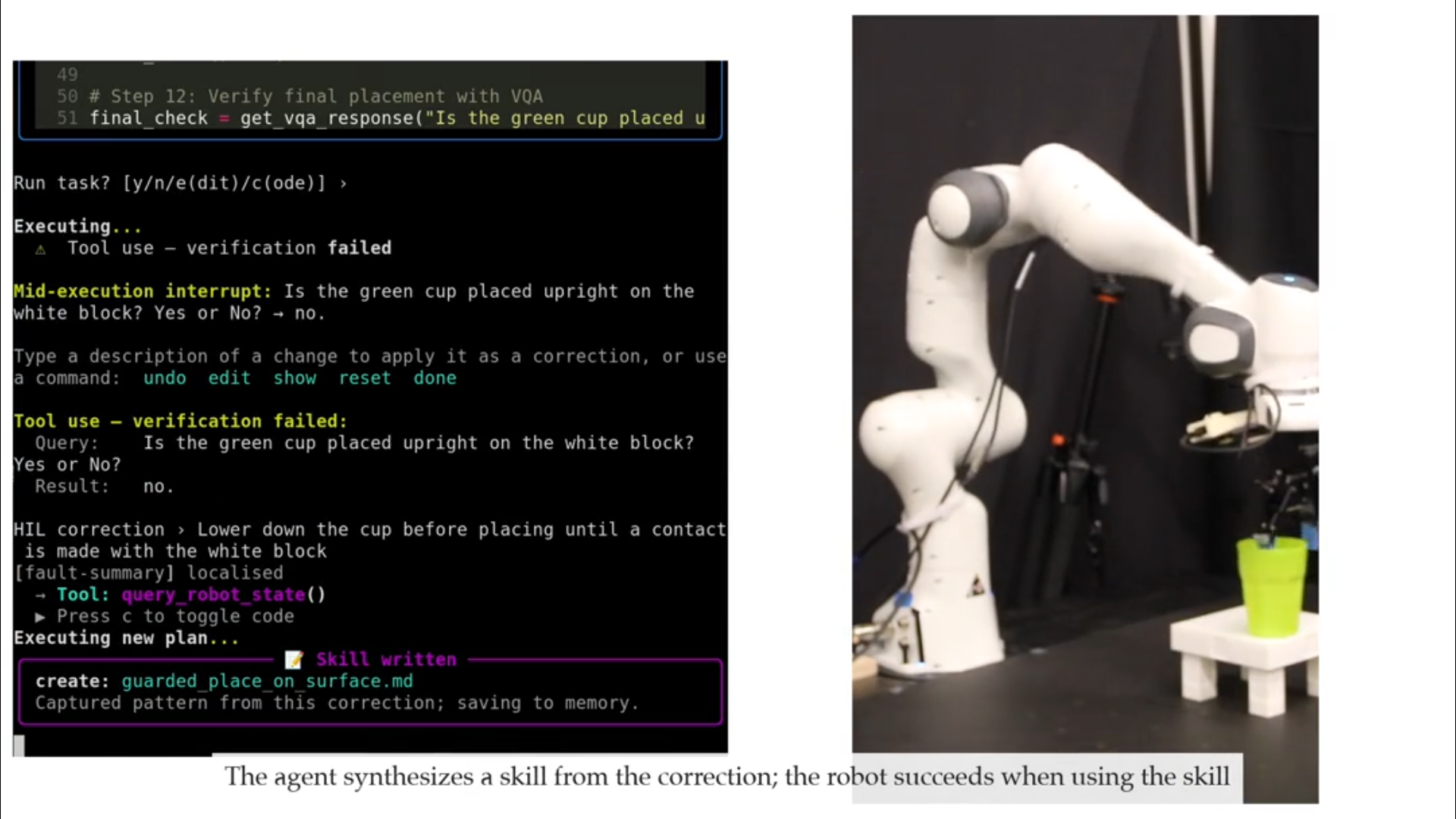
A Few Words Go a Long Way: Language Guided Robot Policy SynthesisDaphne Chen, Archit Jain, Eric Goossen, Emma Romig, Michael Murray, Nick Walker, Maya CakmakHuman-Centered Robotics Lab, University of Washington, 2026 project page / arXiv / code / video
ARCHITECT treats robot policy acquisition as interactive program synthesis: LLM coding agents generate modular, interpretable programs — refined by natural-language corrections that distill into a reusable skill library. On eight real-world Franka tasks it reaches 80% success, outperforming SOTA VLA models on long-horizon tasks. [...] |
|
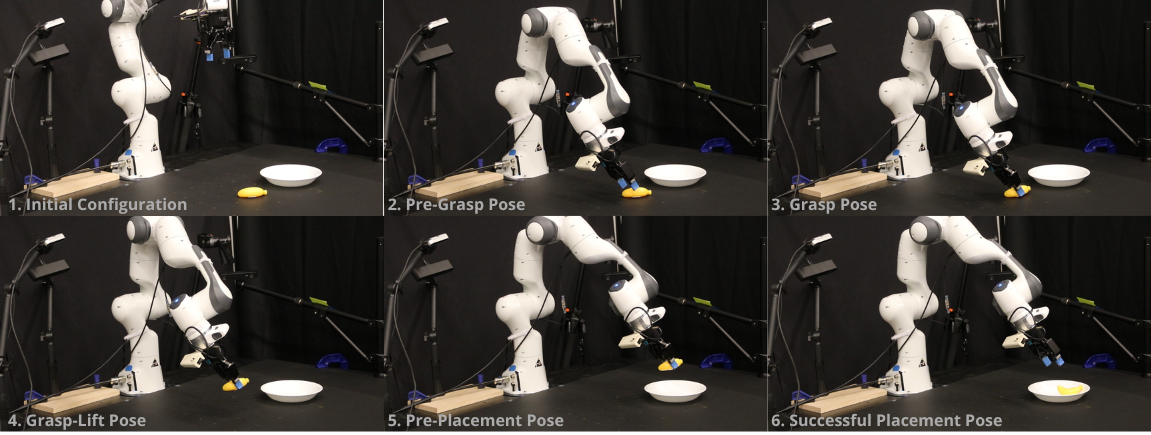
Uncertainty-Aware Execution Monitoring and Human Handover for LLM-Generated Robot ProgramsArchit JainME 549 (State Estimation & System Identification), University of Washington, 2026 report
A calibrated, recursive Bayesian estimator that tracks grasp success during LLM-generated program execution on a real Franka arm, fusing a VQA sensor and gripper-width residual (calibrated via MLE / least-squares) with a chi-squared NIS test that triggers human handover. Across 19 held-out trials it detects all 11 grasp failures at zero false positives. [...] |
|
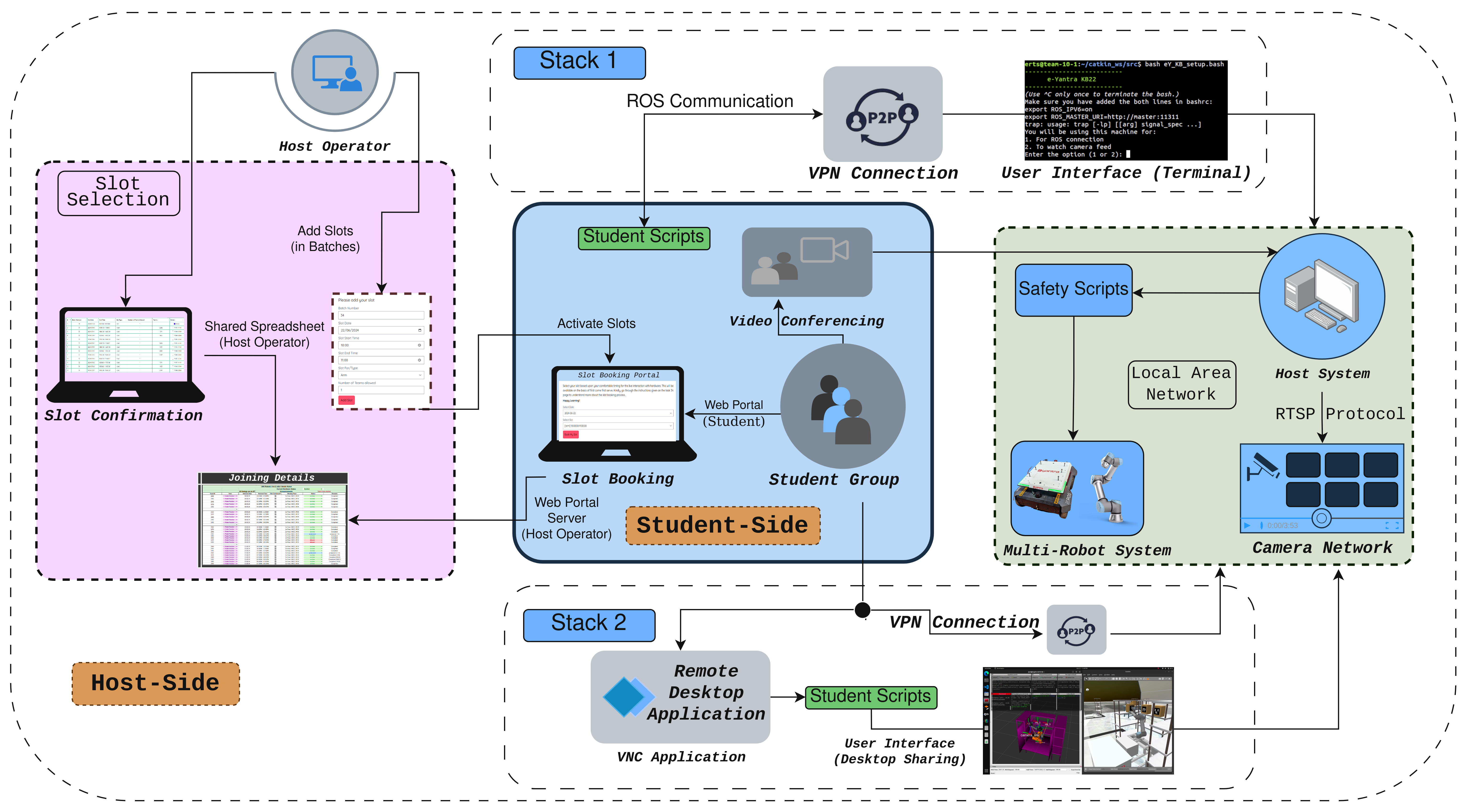
Scalable and low-cost remote lab platforms: Teaching industrial robotics using open-source tools and understanding its social implicationsAmit Kumar, Jaison Jose, Archit Jain, Siddharth Kulkarni, Kavi AryaInternational Conference on Social Robotics (ICSR), 2024 springer / arXiv
With recent advancements in industrial robots, educating students in new technologies and preparing them for the future is imperative. However, access to industrial robots for teaching poses challenges, such as the high cost of acquiring these robots, the safety of the operator and the robot, and complicated training material. This paper proposes two low-cost platforms built using [...] |
|
Exploring Algorithm for Grasping Unknown Objects using Two Finger GripperArchit Jain, Gokul M K, Jaison Jose, Ravikumar Chaurasia, Kavi AryaERTS Lab, CSE IIT Bombay, 2023 paper / poster
In a research project at IIT Bombay, the objective was to significantly enhance the grasping capabilities of the two-finger gripper robotic arm (such as the UR5 arm) by leveraging a combination of learning and analytical-based algorithms. The focus is on enabling the arm to effectively grasp and manipulate unknown objects with minimal prior knowledge or specific object information [...] |
|
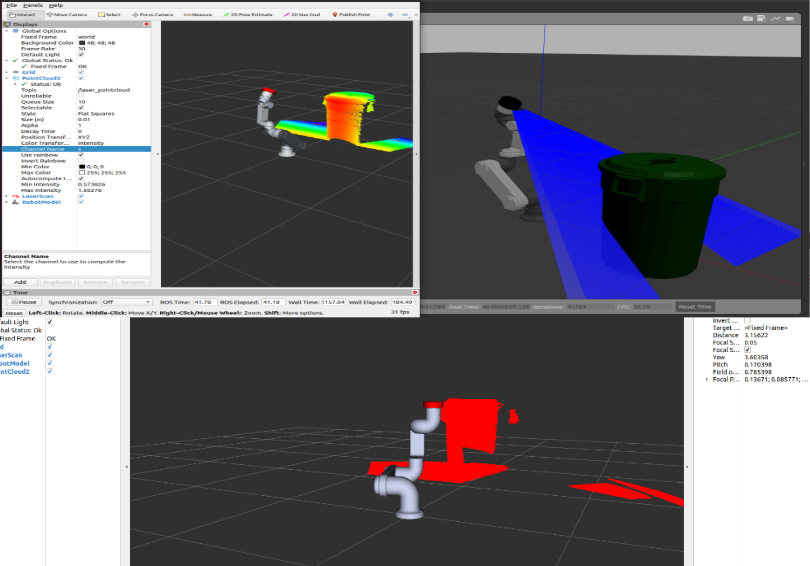
Generating 3D Point Cloud Data using 2D LiDAR Sensor with ROSArchit Jain, Mihir Trivedi, Deepak JaiswalKalyani Technologies Ltd., 2022 paper / video
In a research project at Kalyani Group, this paper describes an algorithm that performs 3D scanning with the help of 2D Light Detection And Ranging (LiDAR) sensor using Robot Operating System (ROS). Using a 2D 360 degree LiDAR we get a LaserScan data in 2D plane. To convert this 2D LiDAR into 3D scanned point cloud data, an additional physical third axis (Z axis) is used for collecting laserscan data in third dimension [...] |
Other Interesting ProjectsI have been working on different robotics projects leading towards autonomy. These projects have been development during my internships, workplace, college and competition times. |
On-Device Camera & Audio Perception Pipelines for In-Cabin Monitoring on Automotive SoCRivian & Volkswagen Group Technologies, Palo Alto, CA, 2026 |
|
As a Software Engineering Intern on the Camera, Imaging & Computer Vision team, I developed end-to-end camera and audio streaming pipelines in C++ for an in-cabin monitoring (Sentry Mode) feature on a Qualcomm automotive SoC, architected as a reusable, scalable Hardware Abstraction Layer (HAL) portable across vehicle compute platforms. I built a custom GStreamer audio pipeline with circular ring-buffer chunking for real-time, low-latency capture, and deployed audio-event classification on the Hexagon Tensor Processor (NPU) achieving 100% recall and 0% false alarms — enabling always-on edge inference at 0.025 mJ/inference (24x lower energy than CPU). I accelerated the front-end STFT/mel-spectrogram feature extraction and inference (MatMul kernels) by offloading from CPU to the Hexagon matrix engine (HMX), cutting end-to-end warm latency 8.3x (14.4 to 1.74 ms in fp16) while reducing per-inference CPU compute 40x. I also ran MobileNet-SSD object detection and pose estimation on the NPU, with cross-platform builds via Yocto/BitBake in a production automotive lifecycle. |
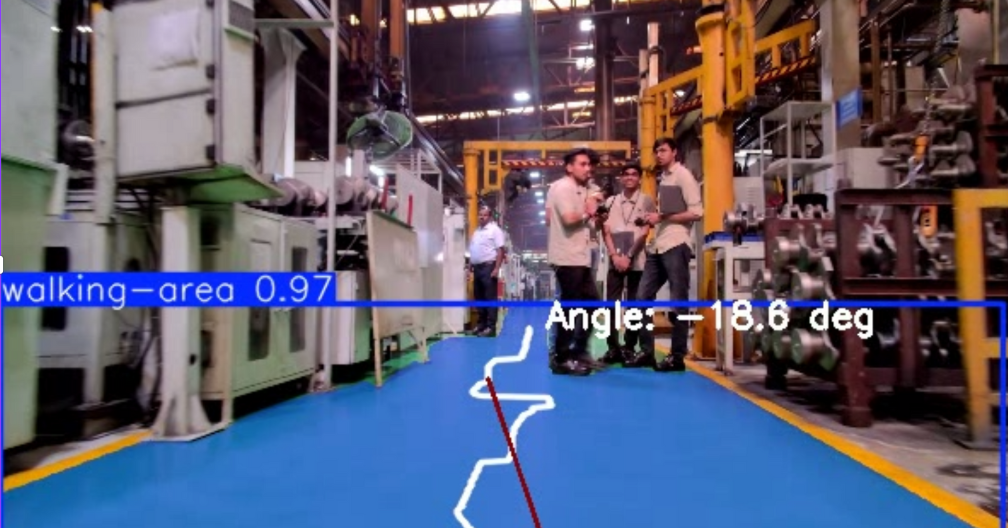
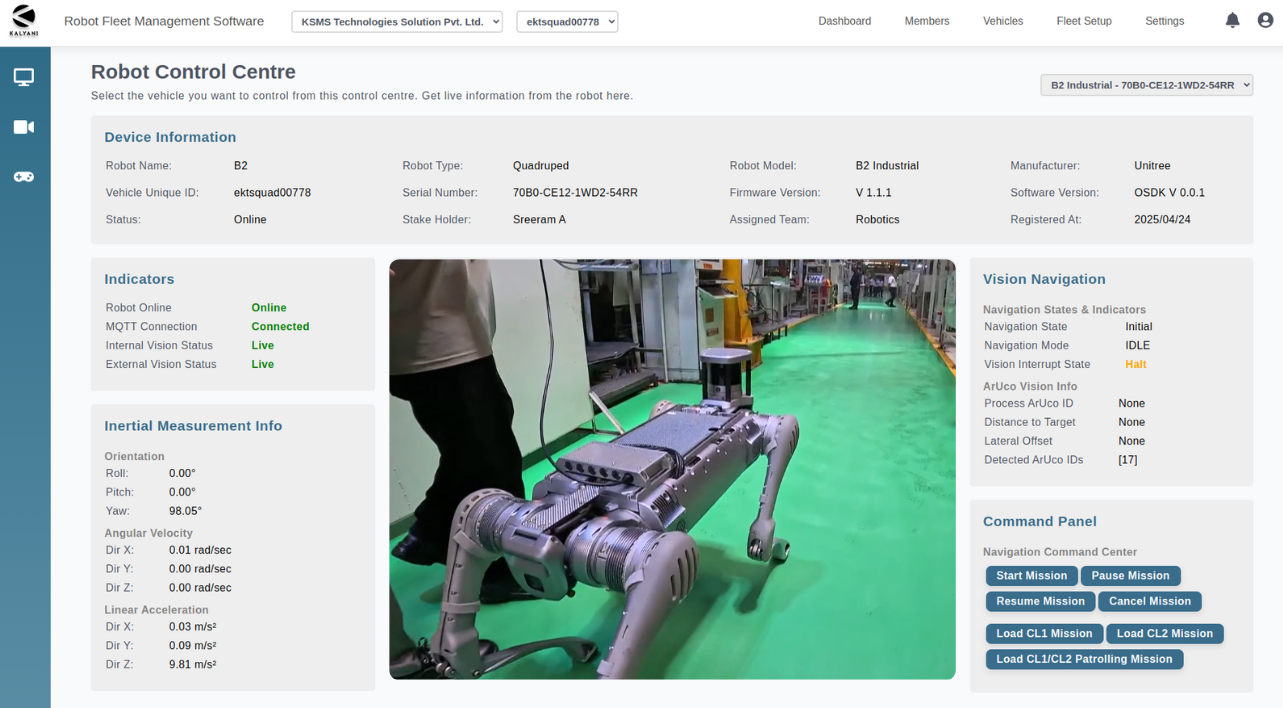
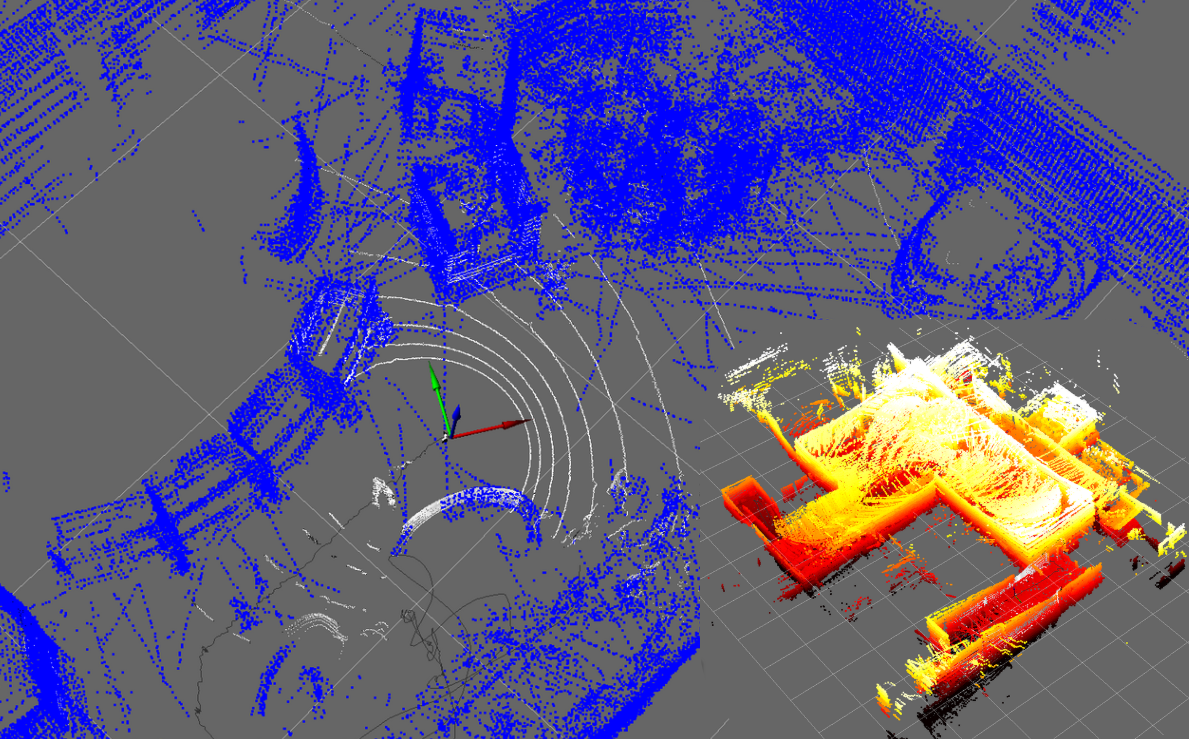
Real-Time 3D Autonomous Navigation and Interoperable Control Systems for Factory-Deployed Legged and Wheeled RobotsKalyani Group, Pune, IN, 2024-25poster / image / video / presentation |
|
|
|
|
At Kalyani Group, I led a 13-member cross-functional team building full-stack autonomy for ground robots — quadrupeds (Unitree Go2, B2), humanoids (Unitree G1), and customized wheeled mobile robots — deployed for inspection and surveillance across a 5.5-acre industrial factory. My work spanned the perception-to-control pipeline, with a focus on real-time autonomy, fleet interoperability, and robust communication architecture. I developed a modular autonomy stack with 3D LiDAR-Inertial SLAM for mapping & localization and multi-terrain navigation across indoor, semi-structured, and shop-floor environments, along with a 3D perception pipeline in ROS 2 combining semantic segmentation and YOLO-based detection (95% detection accuracy) with Kalman filtering that improved dynamic obstacle-avoidance reliability by 78%. I scaled point-cloud preprocessing throughput 60% (up to 16 Hz) for faster 3D reconstruction and map updates, and built Hardware Abstraction Layers (HAL) for ARM Jetson and x86 NUC platforms that cut integration time by 25%. I also designed a Fleet Management System (MERN stack) enabling real-time remote operation of 65 robots at sub-45 ms web latency — supporting multi-robot coordination, remote mission dispatch, health monitoring, and state feedback across shared environments. |
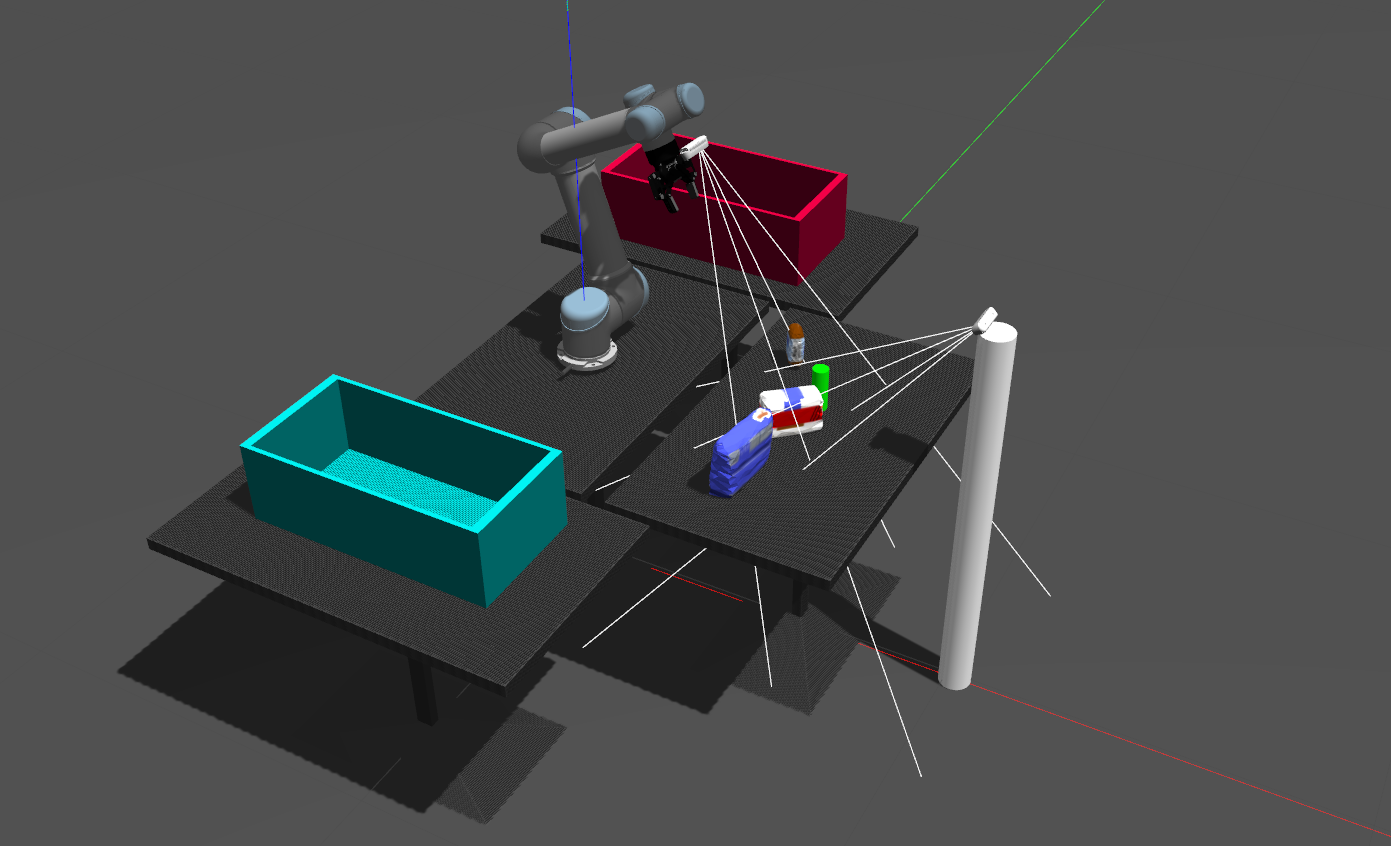
Collaborative Mobile Manipulation for Autonomous Warehouse Sorting - eYRC 2023-24 Theme DevelopmentAmit Kumar, Jaison Jose, Archit Jain, Siddharth Kulkarni, Kavi AryaeYantra - IIT Bombay, Mumbai, IN, 2023-24 video / code / arXiv |
|
|
|
|
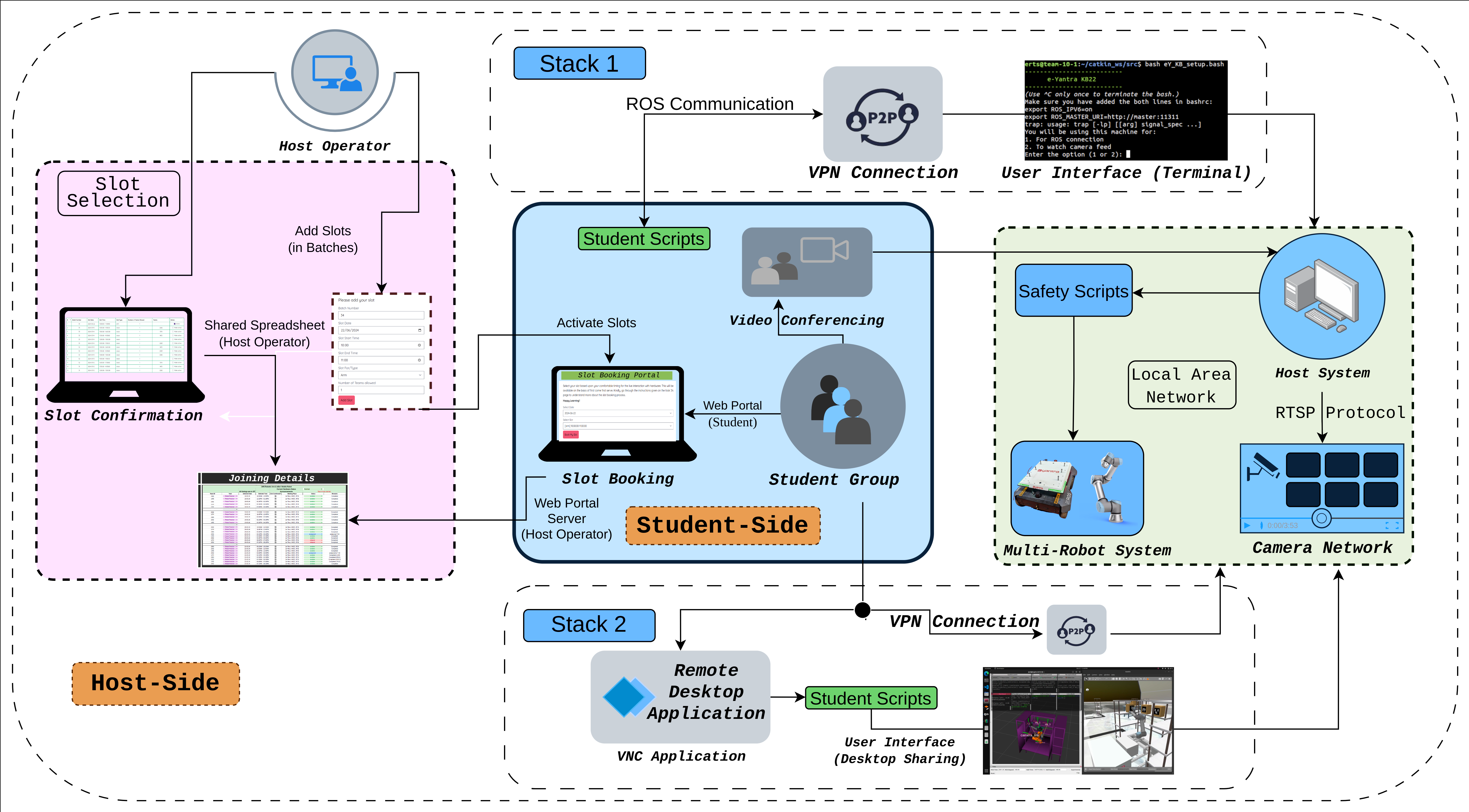
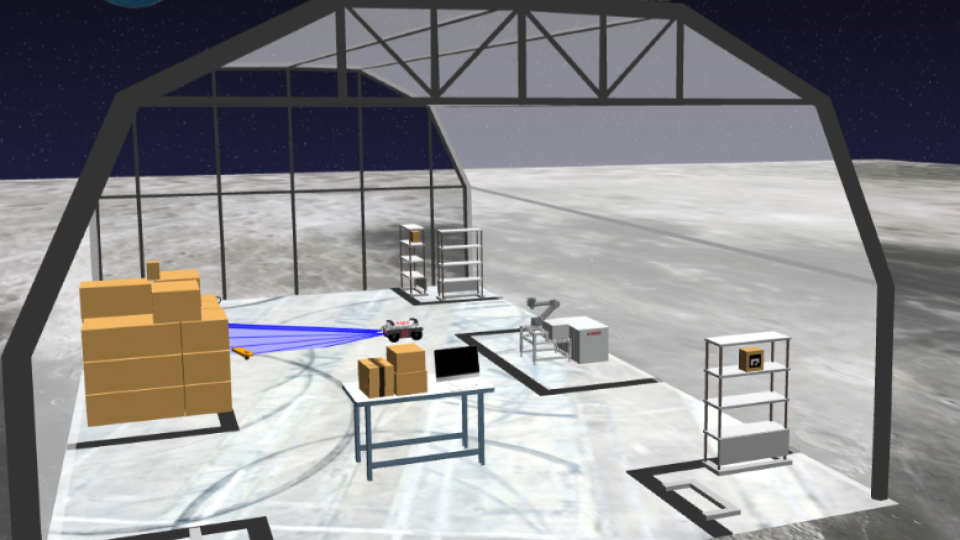
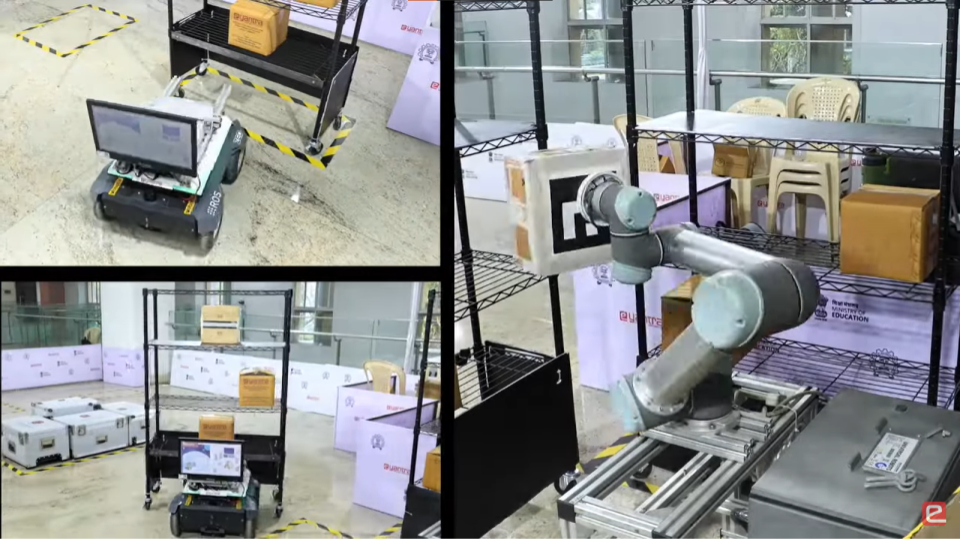
Designed and developed the “Cosmo Logistic” theme for the e-Yantra Robotics Competition (eYRC) 2023-24, conducted by IIT Bombay, as the theme developer for 1,312 student participants. The project involved the integration of a mobile robot and a UR5 robotic arm to autonomously sort and prepare packages in a simulated inter-planetary warehouse environment. As the theme developer, I engineered the complete pipeline — from autonomous navigation and object localization to coordinated manipulation. Implemented a ROS 2-based system combining SLAM for localization, the Nav2 stack for navigation, and MoveIt for motion planning and manipulation, achieving an 85% grasping rate through 6D pose estimation with RGB-D cameras and object segmentation. The system was first validated in the Gazebo simulator and later deployed on physical hardware at IIT Bombay for end-to-end testing. This theme was designed for national-level deployment, enabling students across India to solve advanced mobile manipulation problems using a realistic robotics stack. Beyond the theme, I mentored 1,100+ students in robotics and delivered embedded-systems training to 100+ university faculty across India. |
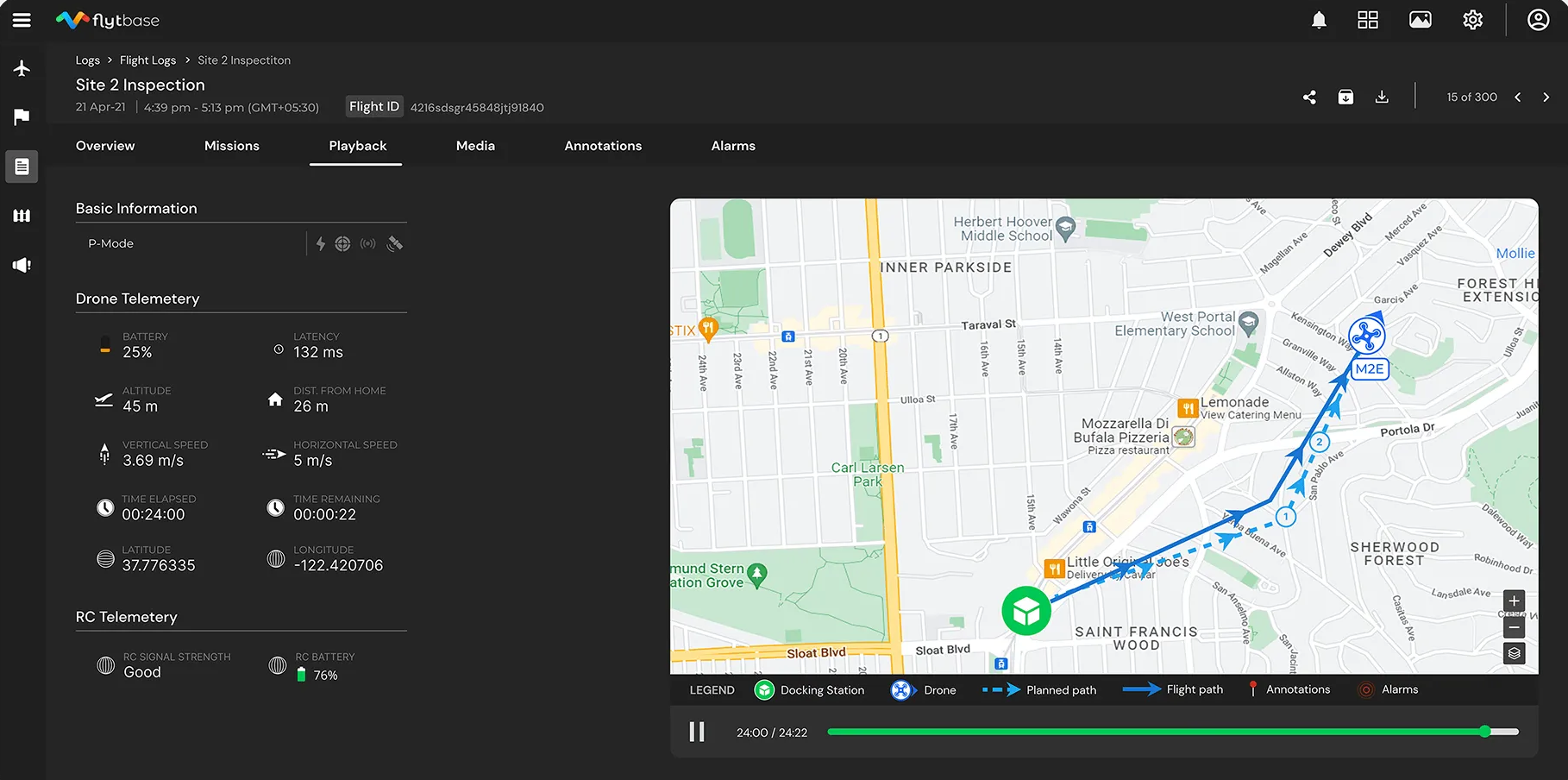
Autonomous BVLOS Drone Mission Platform - Middleware Development for Enterprise Drone Software PlatformFlytbase Labs, CA, USA, 2023video / website |
|
|
|
|
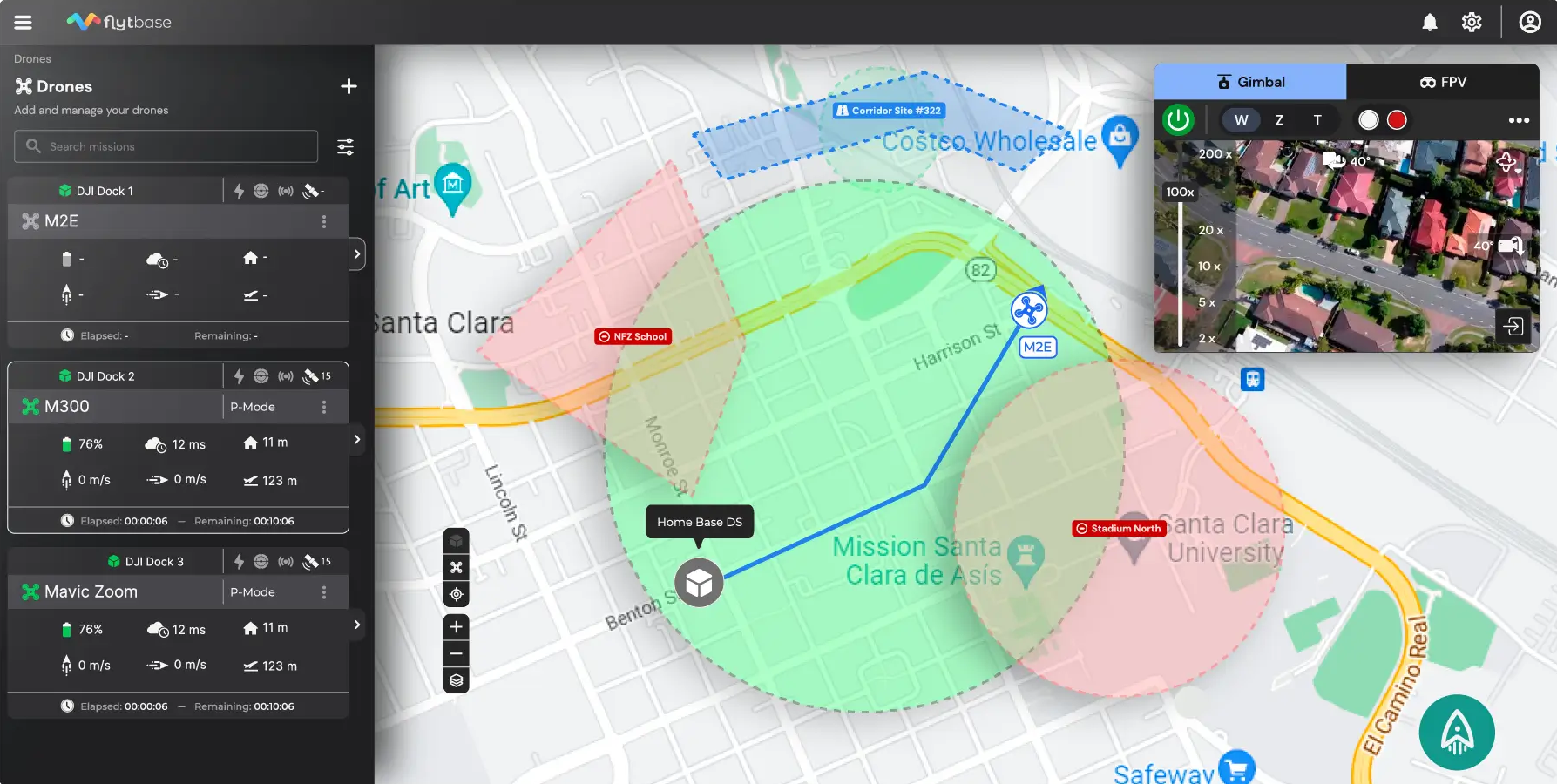
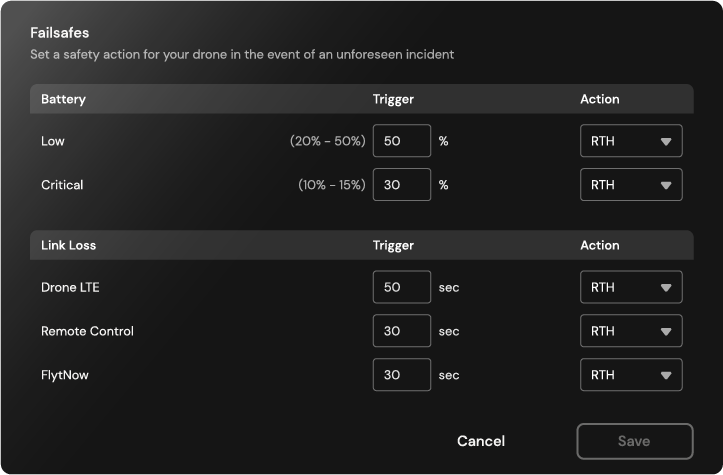
In an internship at FlytBase Labs, I contributed towards the development of an autonomous drone operations platform for Beyond Visual Line of Sight (BVLOS) missions. Focused on designing middleware components deployed on edge devices embedded in drones for reliable long-range, real-time communication and control. Developed micro-services for autonomous waypoint navigation, failsafe execution, and health monitoring, communicating over MQTT and integrated with FlytBase’s cloud platform. Implemented mission planning modules using MAVROS and PX4 APIs, enabling real-time trajectory updates and mission re-routing. Designed robust recovery mechanisms including battery-critical RTL (Return-to-Launch), GPS loss detection, and failsafe state transitions via action servers and service clients. Contributed to the full stack — from on-board firmware interaction to high-level service orchestration — enabling globally accessible drone fleet control for applications in logistics, surveillance, and industrial monitoring. |
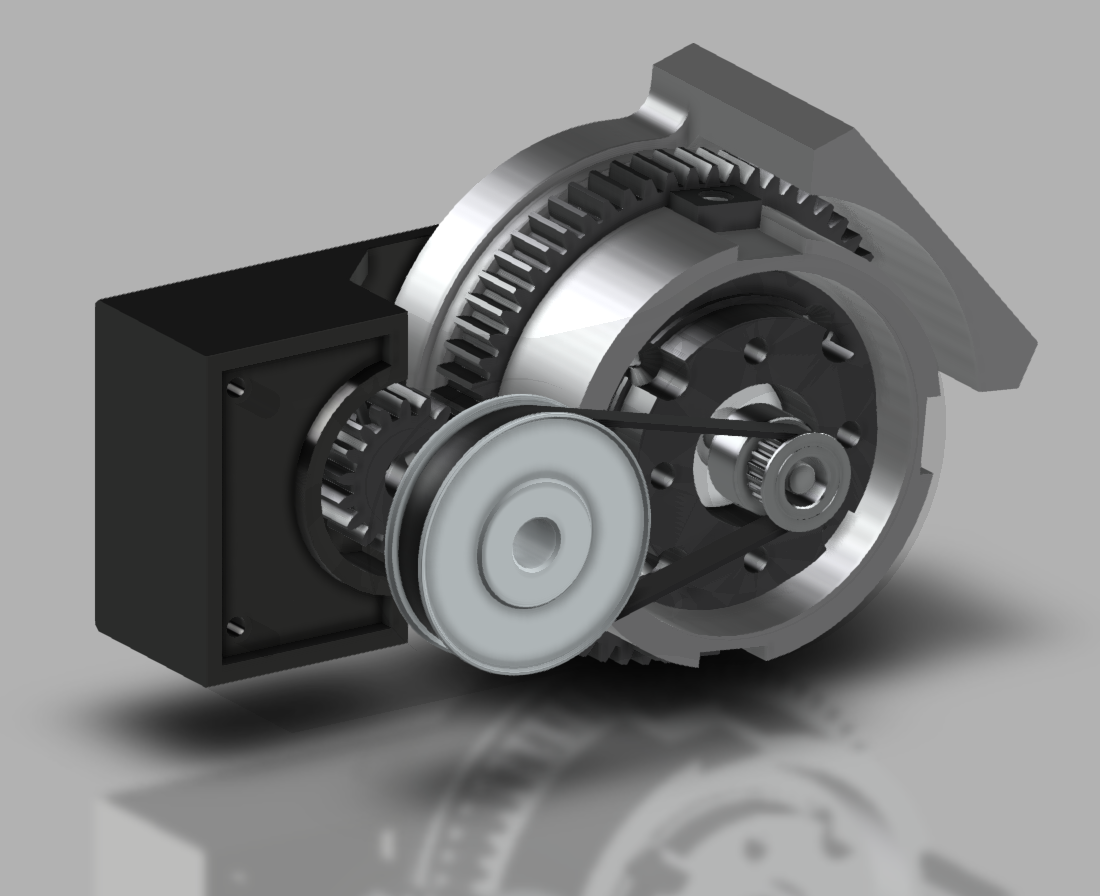
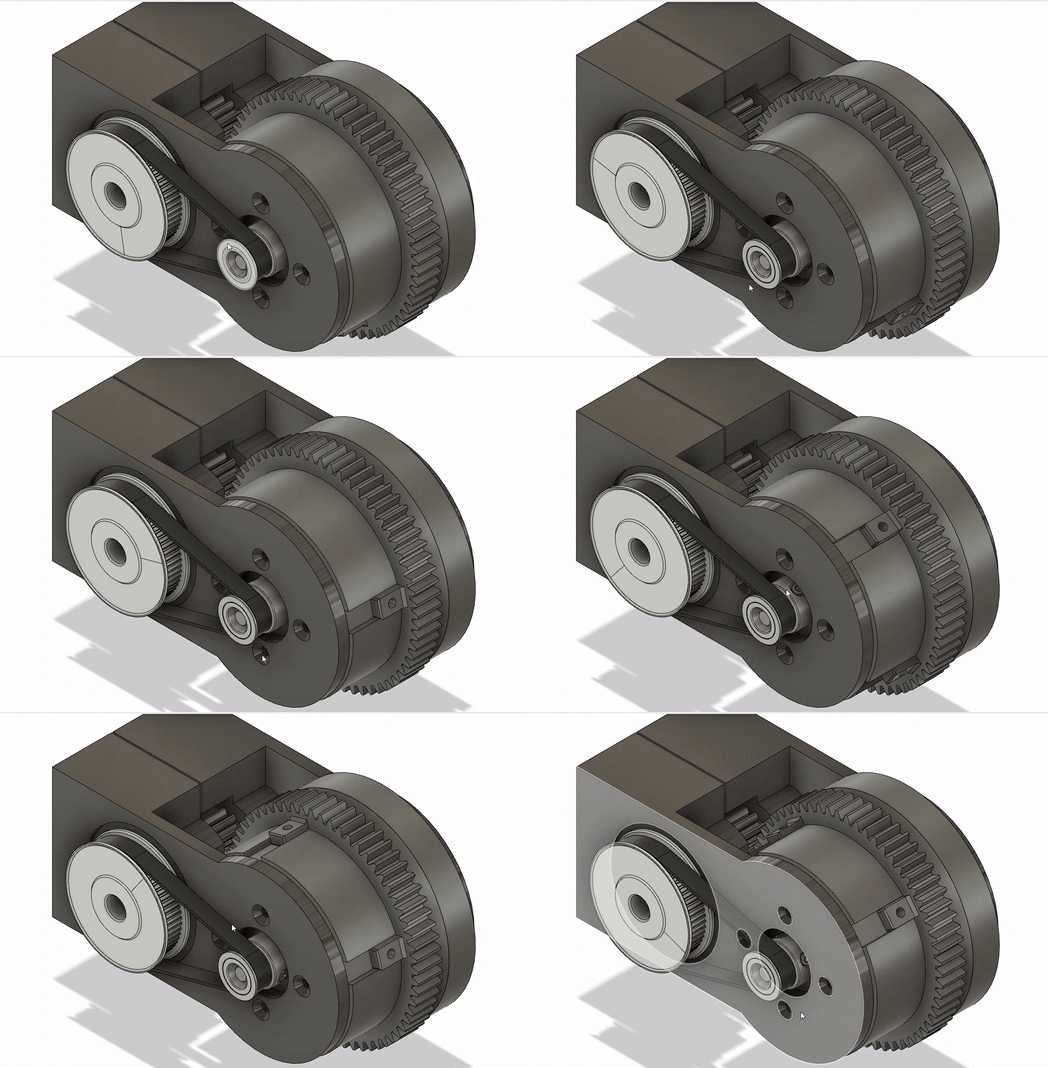
High-Torque Compact Actuator Design for Robotic Arm JointsKalyani Technologies, Pune, IN, 2022video / images |
|
|
|
|
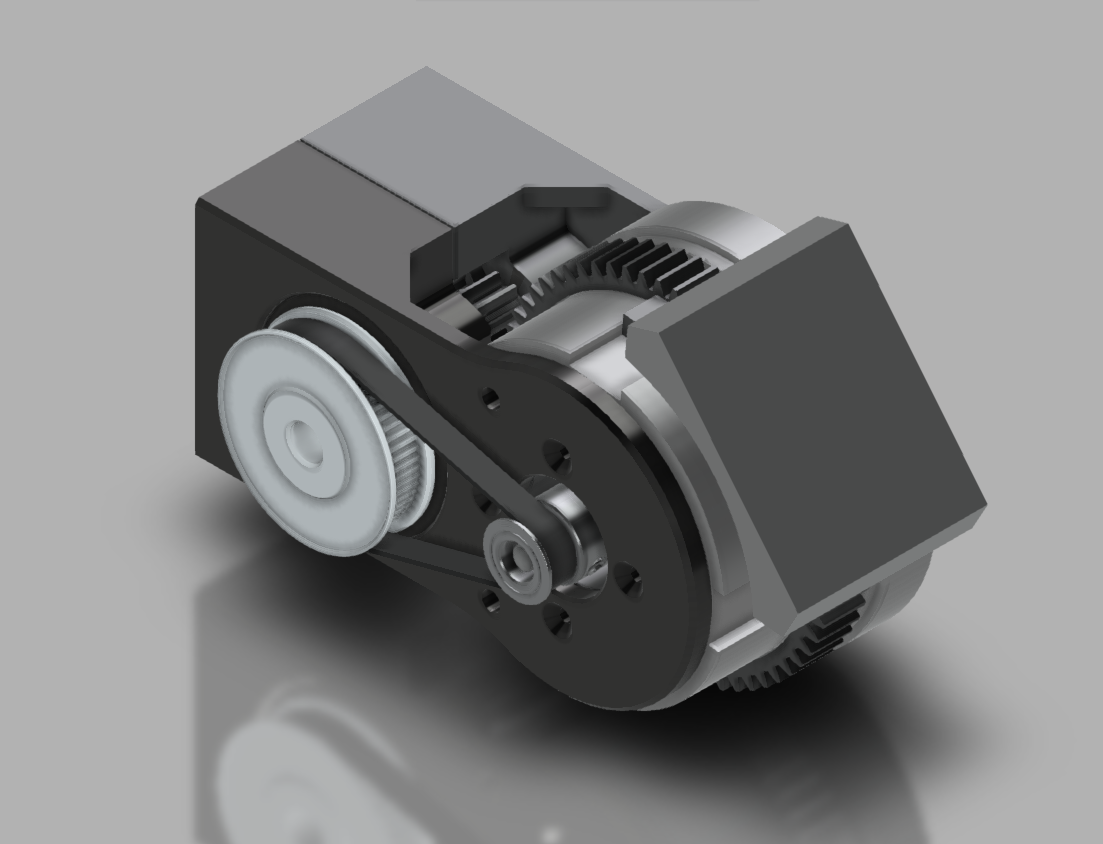
Designed and fabricated a compact, high-torque actuator for robotic arms operating under heavy-load conditions. The actuator integrates a NEMA-17 stepper motor coupled with a 10:1 custom gear reduction system, achieving a peak torque output of 42 kg·cm at the elbow joint. The system was optimized for minimal footprint and mechanical efficiency through torque transmission analysis, backlash minimization, and bearing load evaluations. Housing and gear components were modeled in SolidWorks and fabricated using aluminum alloy for strength-to-weight optimization. This actuator provides a modular solution for precision-controlled joint motion in industrial and research-grade robotic manipulators. |
Perception-Driven Control Architecture for High-Speed Autonomous Robotics - ABU Robocon 2022The Robotics Forum, VIT Pune, IN, 2022paper / video / images |
|
|
|
|
|
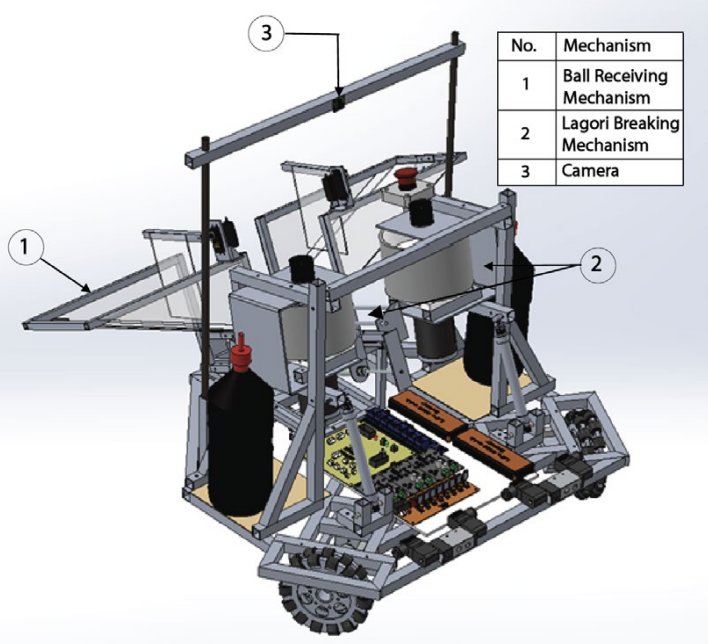
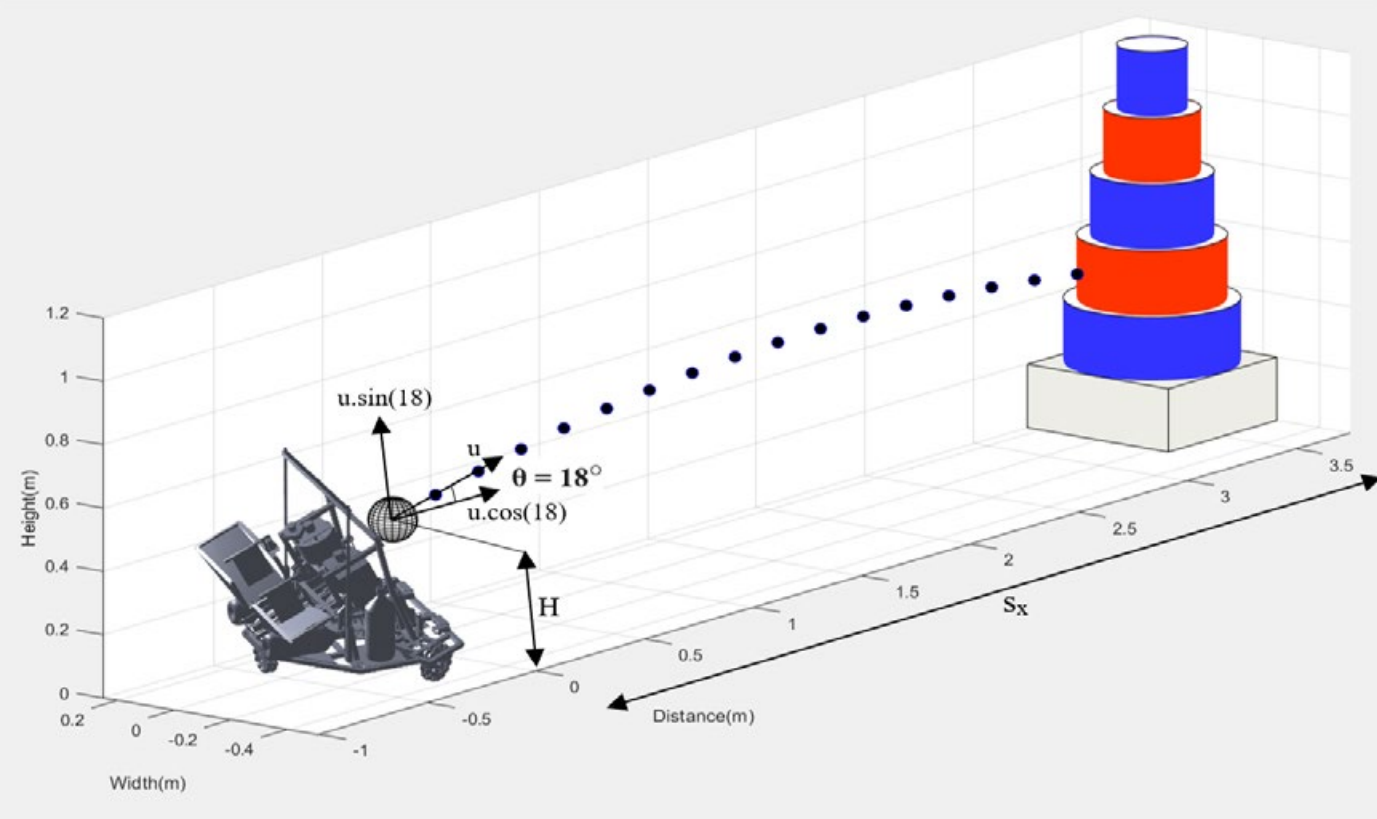
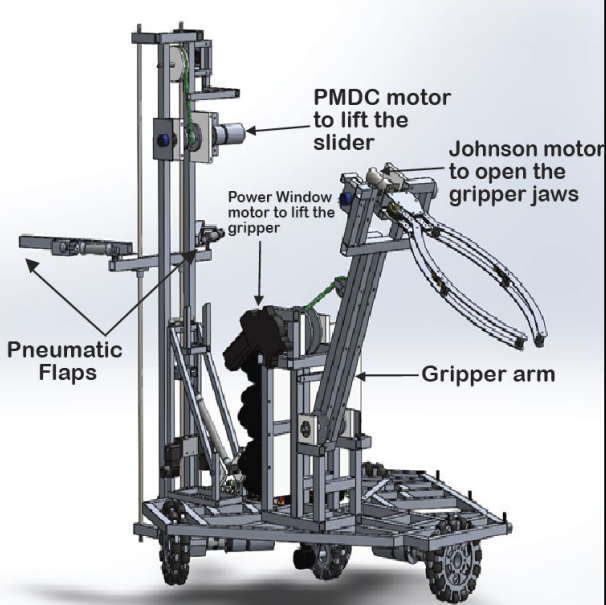
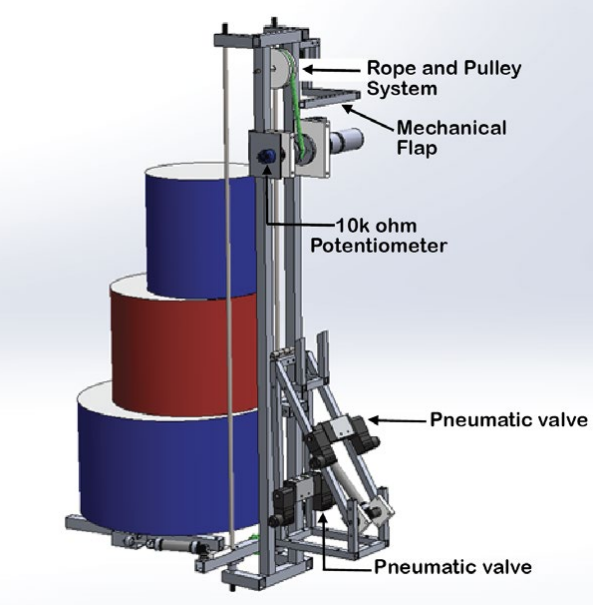
Designed and developed two semi-autonomous robot systems, part of the DD National ABU Robocon 2022 Robotics Challenge. The competition theme required multi-robot coordination to complete complex, time-sensitive tasks involving precise navigation, object manipulation, and real-time strategy execution. Led the software architecture for the autonomous robot, focusing on robust low-level motion control, multi-sensor data fusion, and reactive state-based behavior planning. Implemented high-frequency control loops for 3-wheeled omni drives using PID and feedforward velocity control. Integrated encoder and IMU data through a complementary filter for odometry estimation, with fallback localization via vision-based trained object model tracking. Designed finite state machines (FSMs) for task sequencing and time-critical transitions, enabling real-time adaptability during match scenarios with sub-50 ms control latency. |
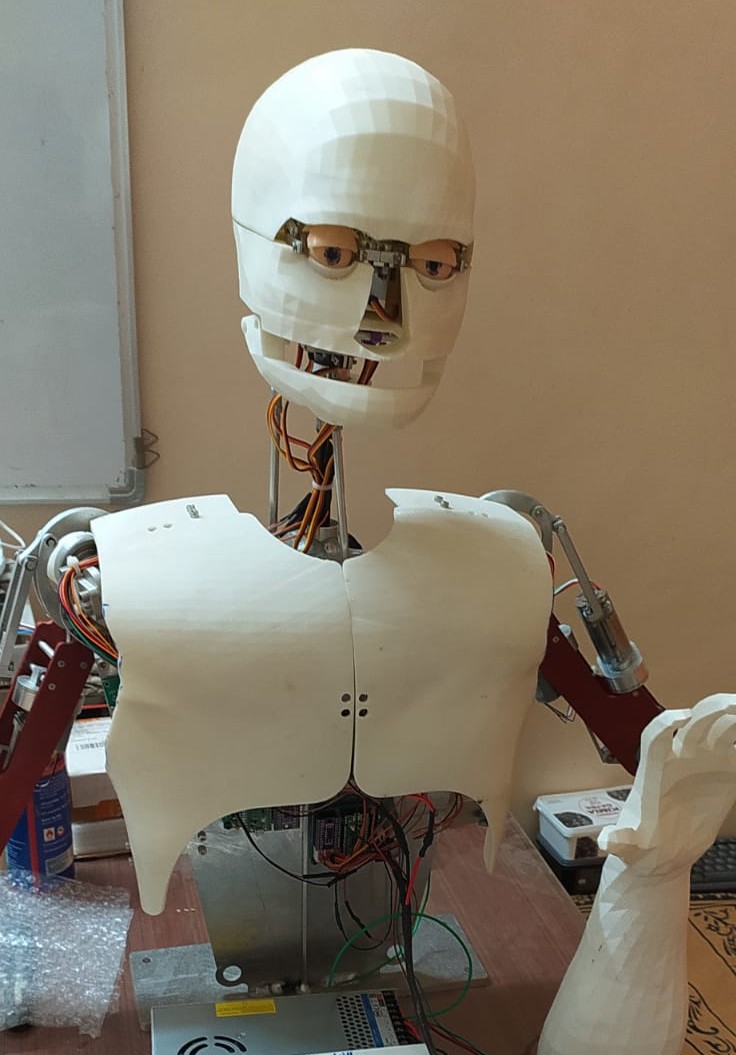
Compact Actuation and Kinematic Design for Dexterous Humanoid Upper Body MotionInsignia Machining, Pune, IN, 2021video / images |
|
|
|
|
|
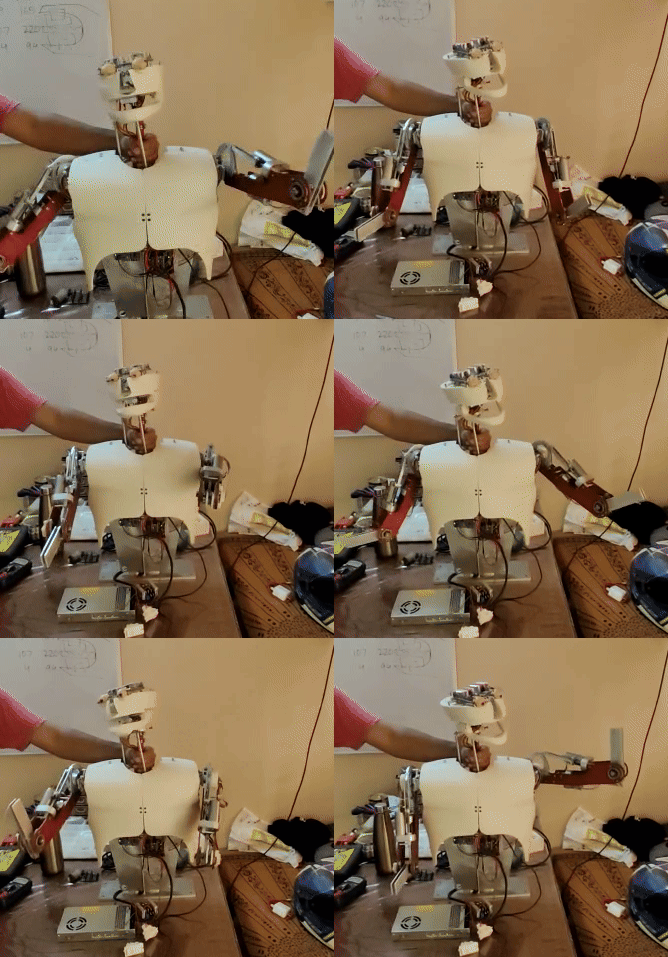
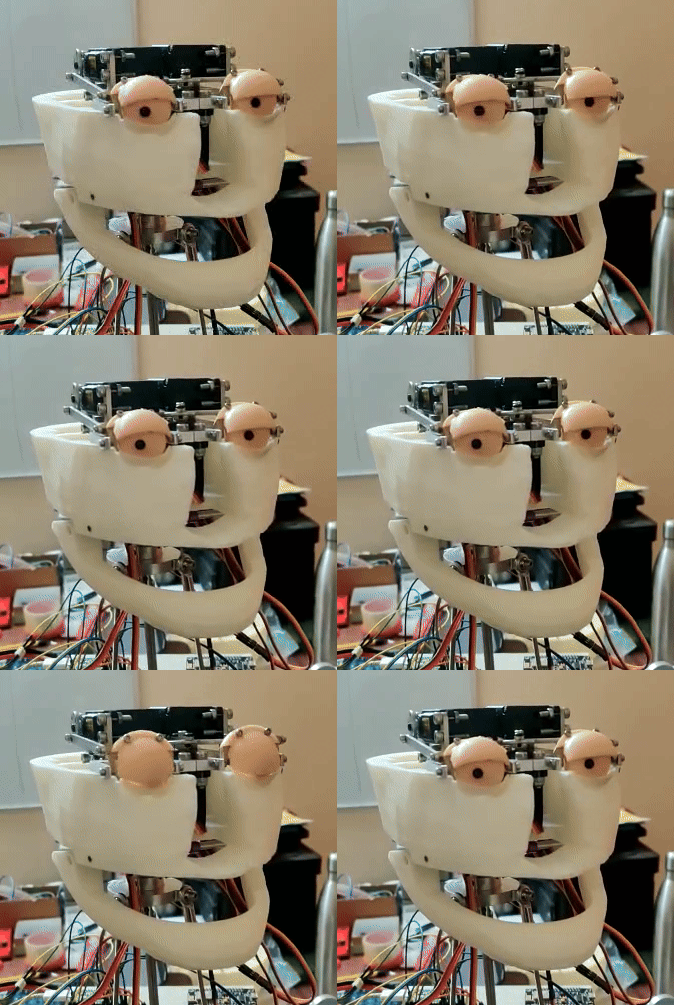
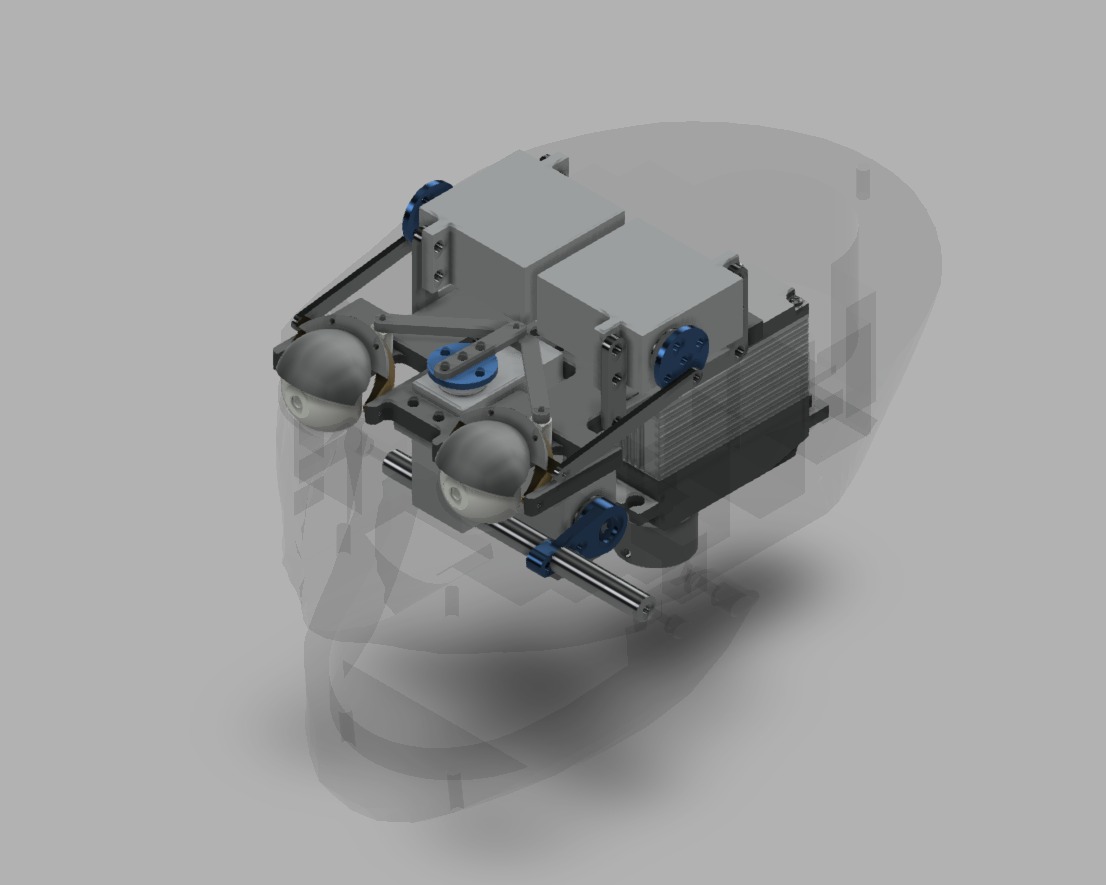
Led the mechanical design of a humanoid robot's upper body with a focus on precision actuation and compact form factor. Developed a 2-DOF parallel manipulator for neck movement, capable of ±30° pitch and ±45° yaw with sub-degree repeatability. Designed custom linear actuators for the shoulder joint using a 10:1 gear reduction system. Performed detailed gear train calculations, load analysis, and actuator sizing to ensure smooth motion under varying load conditions. Created fully dimensioned 2D manufacturing drawings using SolidWorks, incorporating GD&T and tolerances within ±0.05 mm for CNC milling and laser-cut profiles. The system was fabricated using aluminum for structural components and PLA for non-load-bearing 3D printed parts. The project aimed to improve humanoid upper body dexterity through optimized actuator placement and precise kinematic control. |
|
website adapted from here |